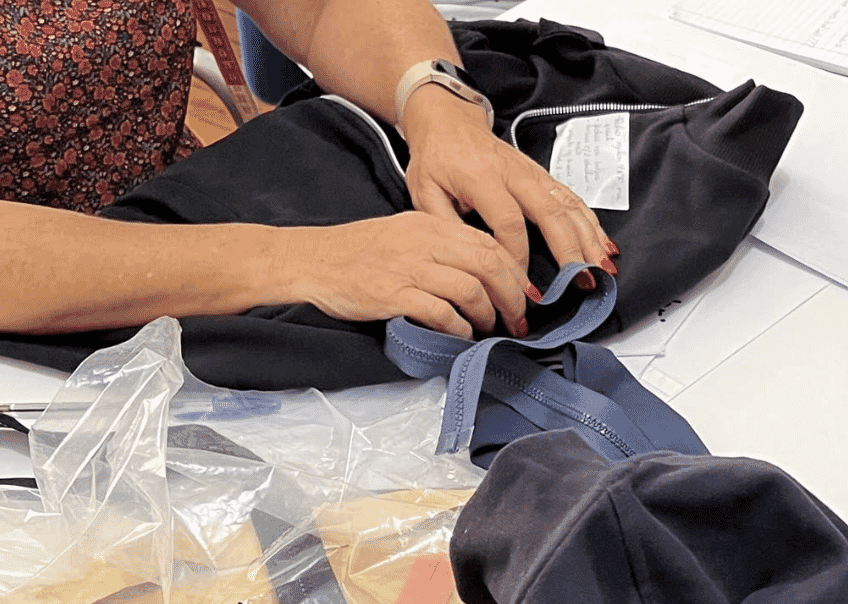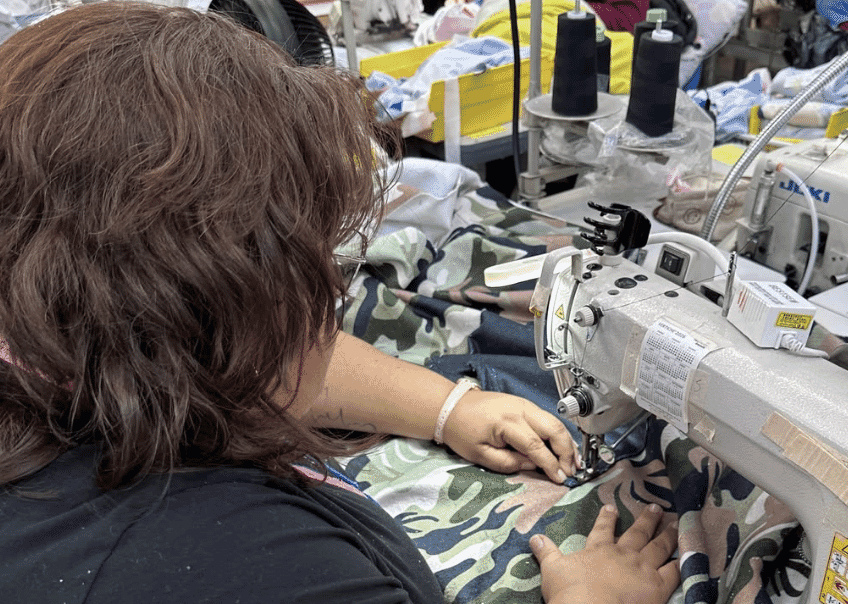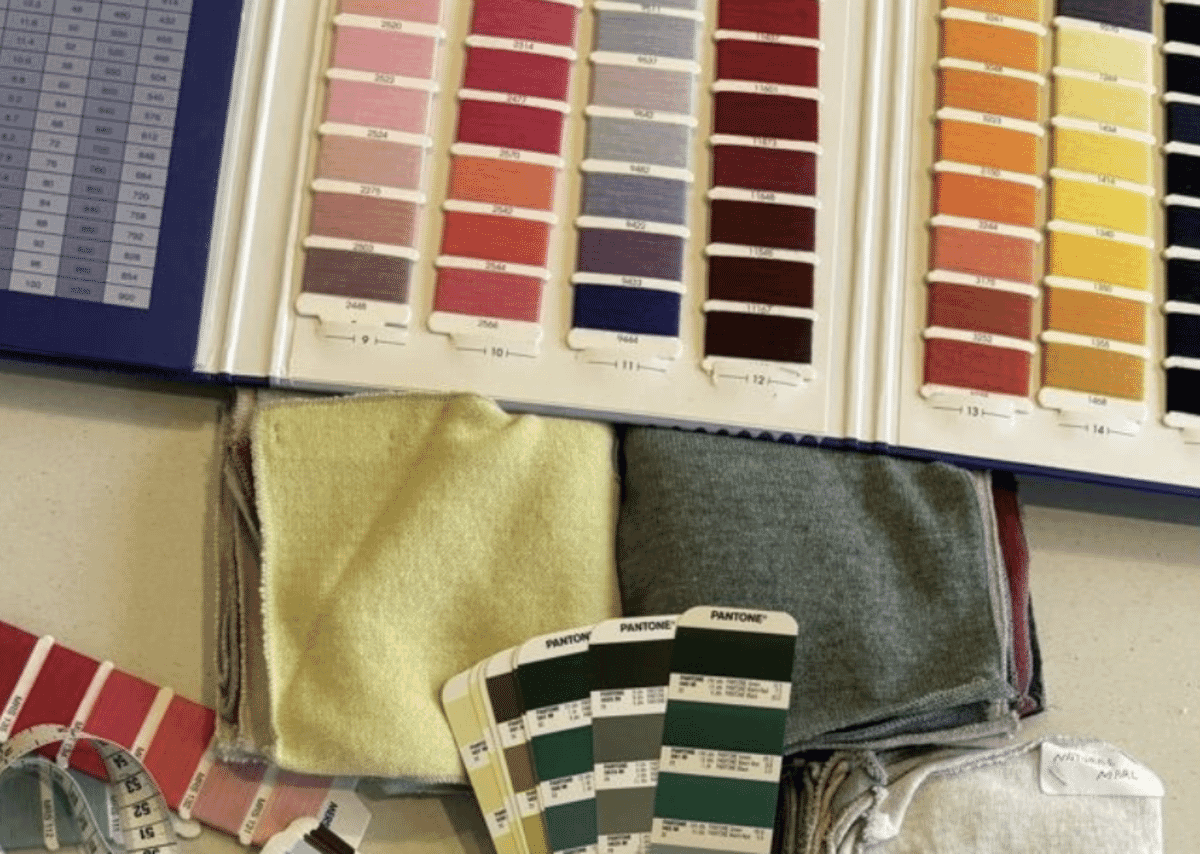
Sports clothing manufacturers in the UK are a short list, and choosing the wrong one shows up faster here than in any other category. Stretch fabric behaves nothing like a woven under a needle. The seams carry load rather than just joining panels, and a garment that fits on a hanger can fail completely on a moving body.
So the useful question is not which UK factories can make sportswear. Almost all of them will say yes. It is which ones run technical stretch regularly, because that is what separates a garment that performs from one that merely looks the part.
Heads up: We're UK Clothing Manufacturers, a group of documented clothing factories in the United Kingdom. The companies named below are independent businesses, checked on their own websites and on Companies House in October 2026, and are not members of our group. Our role is separate: our team replies to your brief within 24 hours, then places and manages your production with the factory in our group built for your product, from 100 pieces per style.
Key Takeaways
- Apparel Inspired in Hartlepool quotes 50 to 100 pieces per style, depending on the product (Apparel Inspired).
- It manufactures in the UK and overseas depending on requirements, which the company states plainly (Apparel Inspired). Ask which applies to your order.
- Pinkfudge in Basingstoke states it specialises in 4-way stretch for performance, sport and athleisure, with its services in house (Pinkfudge). It publishes no minimum.
- Hook and Eye UK is based in Birmingham but bulk-manufactures in China, as its own site states (Hook and Eye UK).
- Stretch is a specialism, not a capability. A factory that handles it monthly produces a visibly different result from one that handles it yearly.
- Seam construction matters as much as fabric choice in this category, and it is easy to leave out of a brief.
Have a product in mind? Tell us the product, quantity and timeline and our team replies within 24 hours. Send a brief →
Try it free: Work out your true cost per garment in 60 seconds with our garment cost calculator. No email required.
Which UK manufacturers make sportswear?
Two businesses state that they make stretch and activewear in Britain, and one of them also uses overseas factories.
Pinkfudge (Basingstoke, Hampshire). It describes itself as a designer, manufacturer and specialist in 4-way stretch fabric garments, making stretch garments for the performance, sport and athleisure markets, with dye sublimation and heat press vinyl printing, and says its services and skills are all in house. Its range includes gym wear, leggings, performance wear and cheerleading uniforms, and it also offers CMT contract work (Pinkfudge; also listed by Make It British). It publishes no minimum on its home page, so ask. The manufacturing company is Pinkfudge Manufacturing (UK) Limited, active on Companies House 11677358.
Apparel Inspired Ltd (Hartlepool and Harrogate). Its production unit is on the North East coast in Hartlepool, with a design office and showroom in Harrogate (Apparel Inspired). Its activewear range covers tracksuits, hoodies, sweats and sweatpants, leggings, yoga gear, gym kits, shorts, cycling shirts and equestrian wear, and its listed styles include sports bras. Minimums are flexible, starting from 50 to 100 pieces per style depending on the product (Apparel Inspired). The company is active on Companies House 14901020, with its registered office in Harrogate.
One thing to establish before briefing them, and it is to the company's credit that it says so openly: it states that it can manufacture in the UK and overseas, depending on your needs (Apparel Inspired). That is a legitimate and common arrangement. If a UK origin claim matters to you, confirm in writing which applies to your order.
Which three need a direct question first?
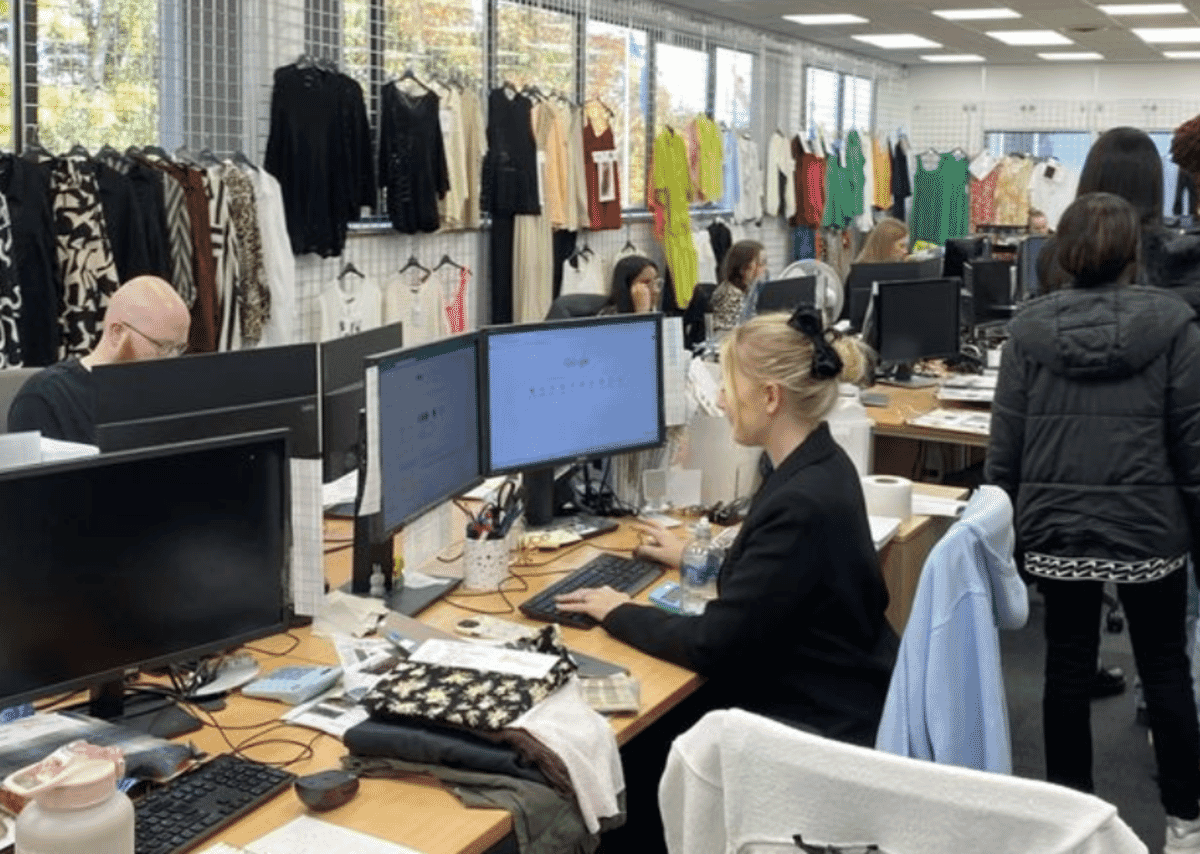
Three, and none of them is a straightforward UK sportswear factory. One is a generalist, one develops in Birmingham and bulk-manufactures in China, and one works through a network of factories worldwide.
Fashion Enter Ltd (London). A general garment manufacturer rather than a sportswear specialist. Its Fashion Studio makes first patterns, samples and short-run production from 1 unit to 300 units, with sampling charged by the hour (Fashion Enter). Its factory's core production is womenswear soft separates in jersey and woven (Fashion Enter). Useful for very small runs; ask directly whether it takes technical stretch. The company is active on Companies House 05779844.
Hook and Eye UK (Birmingham). A Birmingham-based clothing development and manufacturing company that lists activewear among its services. Its own site says it uses a team in China to bulk manufacture designs, managing everything from fabric to shipping. Its minimum is 50 units per design and per colour, rising with complexity, and bulk needs at least two designs, which can be one garment in two colourways (Hook and Eye UK). Useful for development; it is not a UK-made option for bulk. The company is The Hook and Eye Clothing Company Limited, active on Companies House 10180775.
Blue Associates Sportswear. UK-based and, by its own account, building sportswear since 1997, with design, tech packs, sampling and production for cycling, running, outdoor, marine, golf, equestrian, ski and gym brands. It works through a network of over 50 factories across the world rather than a single owned facility (Blue Associates Sportswear). Blue Associates Sportswear Limited was incorporated in 2018 and is active on Companies House 11392467. Useful for development and sourcing; it is not a UK factory and does not present itself as one.
Citation capsule: Of five UK-based sportswear businesses checked on their own sites in October 2026, Pinkfudge in Basingstoke states that it designs and makes 4-way stretch garments in house, and Apparel Inspired in Hartlepool quotes 50 to 100 pieces per style but manufactures in the UK and overseas. Hook and Eye UK in Birmingham bulk-manufactures in China, Blue Associates works through over 50 factories worldwide, and Fashion Enter in London is a generalist making short runs from 1 to 300 units.
Why does stretch fabric need a specialist factory?
Because everything that makes stretch useful to wear makes it difficult to sew, and the difficulties compound.
It moves while it is being cut and sewn. A woven lies still on a cutting table. A four-way stretch knit relaxes, curls at the edge and distorts under the presser foot. Cutting accuracy and feed control decide whether the finished garment follows the pattern. A factory that handles it weekly has solved this with tooling and technique. One that handles it occasionally solves it with a second attempt.
The seam has to stretch too. A standard lockstitch seam on a stretch garment will snap the first time somebody squats in it. Overlock, coverstitch and flatlock all behave differently under load and against skin, and choosing between them is a performance decision rather than a finishing preference.
Flatlock exists for a reason. A flatlock seam lies flat against the body rather than presenting a ridge, which is what prevents chafing on a long run or ride. It needs a specific machine. A factory without one will substitute an overlock and the garment will be fine in a mirror and unpleasant at mile ten.
Recovery is the quality nobody specifies. Stretch is easy; returning to shape after repeated stretching is the hard part, and it depends on fabric quality, elastane content and how the fabric was handled in production. It is also the failure customers notice most, because leggings that bag at the knee after four wears read as a cheap product regardless of price.
Our finding: Ask a factory which machines it owns for stretch, by name, and you get a straight answer in one line from anyone who owns them. Flatlock machines are expensive and single-purpose, so a business that has one bought it deliberately and will say so. It is a fast filter in this category, and easy to skip, because brands tend to ask about fabric instead and fabric is the part any factory can buy.
Skip weeks of cold outreach: Browse our UK factory directory for £49, or get in contact: our team replies within 24 hours, then we place your production with the factory in our group built for it. The factory bills you directly; no commissions.
How do UK sportswear manufacturers compare?
| Manufacturer | Location | Minimum | Makes | Note |
|---|---|---|---|---|
| Pinkfudge | Basingstoke | Not published | 4-way stretch, gym wear, leggings, performance wear | States its services are all in house |
| Apparel Inspired | Hartlepool (production), Harrogate (design) | 50 to 100 per style | Leggings, tracksuits, gym kits, cycling shirts, sports bras | States UK and overseas production depending on needs |
| Fashion Enter | London | 1 to 300 units (Fashion Studio short runs) | Womenswear soft separates, jersey and woven | Not a sportswear specialist |
| Hook and Eye UK | Birmingham | 50 per design and colour | Activewear among other categories | States bulk is made by a team in China; min 2 designs |
| Blue Associates | UK base | Not published | Performance sportswear design and sourcing | Network of 50+ factories worldwide, not an owned UK factory |
Source: each company's own website, read October 2026; Companies House for company status. "Not published" means the figure was not found on the company's site.
The note column is the one that matters in this category. Three of these five describe arrangements that involve production outside the UK, and all three say so openly on their own sites. That is entirely legitimate, and it means a brand wanting a UK origin claim has to ask rather than infer.
It also means the shortlist is genuinely short. For technical stretch cut and sewn in Britain, you are looking at Pinkfudge in Basingstoke, on the strength of its stated in-house stretch specialism, and Apparel Inspired in Hartlepool, with the UK-or-overseas question asked in writing.
What should a sportswear tech pack specify?
More than a garment pack, and the extra detail is what separates a working sample from a wasted one.
Fabric composition and weight, including elastane percentage. A 12% elastane fabric and a 20% one are different products with different recovery and different sewing behaviour.
Stretch direction. Two-way or four-way, and which way the greater stretch runs relative to the pattern. Getting this wrong makes a garment that is tight in the wrong axis and loose in the other.
Seam type per seam. Not a general finishing note. Flatlock at the inseam, coverstitch at the waistband, overlock elsewhere: specify each, because the factory will otherwise use whatever is on the machine.
Elastic specification. Width, type, and whether it is enclosed, exposed or bonded. Waistbands are where most activewear fails and where most briefs say nothing.
Measurements at stretch and at rest. A stretch garment has two sets of dimensions and quoting only one guarantees a fit argument later.
A factory-ready tech pack (£79 per style) covers these as standard for a stretch garment. How we work sets out where that fits before you approach a factory.
Citation capsule: A sportswear tech pack requires five specifications a standard garment pack omits. Fabric composition including elastane percentage, and stretch direction relative to the pattern. Seam type specified individually per seam rather than as a general note. Elastic width and construction at the waistband. And measurements taken both at rest and at stretch.
Can a small brand get sportswear made in Britain?
Yes, at the 50 to 100 pieces per style Apparel Inspired publishes, or from 100 pieces per style through our group, and the constraint is usually fabric rather than the factory.
Technical stretch fabrics are engineered products bought from specialist mills, and those mills sell to their own minimums by colour exactly as jersey mills do. For performance fabrics the minimums can be higher, because the fabric is more complex and the market for it is narrower.
That produces the same arithmetic as everywhere else in British manufacturing, slightly sharpened. A brand planning three colourways of one legging is buying three fabric minimums, and in this category that can exceed the cost of the garments.
Three practical ways through it. Use the factory's stock performance fabric if it holds one, which removes the mill from your problem. Launch in one core colour, such as black, which sounds unambitious but keeps you to one fabric minimum and does not commit you to a colour strategy before you have customers. Buy from a fabric stockist rather than a mill, paying more per metre and far less in total.
There is a fourth option that suits teamwear and club supply in particular. Sublimation printing onto a plain performance base lets a single fabric serve many designs, because the colour arrives in the print rather than in the cloth. It does not suit every garment, and it changes the hand of the fabric. But for kit where each customer wants different colours in small numbers, it removes the fabric minimum problem entirely.
The wrong approach is reducing the quantity to afford more colours. In a category where recovery and fit are the product, one colour made properly at a viable quantity beats three colours made marginally.
What sportswear costs to develop, and why it is more than a t-shirt
Development, not production, is where sportswear budgets go wrong, and the gap between this category and a basic garment is larger than most brands expect.
The pattern is harder and worth more. A stretch garment's pattern is cut smaller than the body it fits, because the fabric is expected to extend. How much smaller depends on the fabric's stretch and recovery, which means a pattern developed for one fabric does not transfer cleanly to another. Change the fabric after the pattern is made and you are largely starting again.
Sampling takes more rounds. Technical stretch usually needs more sample rounds than a simple garment, and an extra round is not a sign of anything going wrong. Each round tests something that can only be learned by wearing the previous one. Budget for it rather than treating the extra sample as a failure.
Fabric testing is a real cost. Recovery, colourfastness to chlorine or sweat, pilling and seam slippage are all testable and none of them is visible in a swatch. A brand selling performance claims needs at least some of this evidence, and it is cheaper to find a fabric problem in testing than in a returns queue.
Why does grading break the normal rules?
Because a stretch garment is cut against the body rather than around it, so the relationship changes with every size rather than scaling with it.
Grading is not proportional. Stretch garments do not grade like wovens. A size 18 does not simply need more fabric than a size 10; it needs a different relationship between the pattern and the body. Brands that grade stretch by a standard rule risk a range that fits at the middle sizes and poorly at both ends.
Set against all of that, the production run itself is the straightforward part. The implication for planning is simple. A sportswear brand should expect to spend a meaningful share of its first budget before a single saleable garment exists. Size the first production run accordingly, rather than committing everything to development and leaving nothing to make stock with.
Citation capsule: Sportswear development costs more than a standard garment for four reasons. The pattern is cut smaller than the body, by an amount specific to each fabric's stretch and recovery. Sampling usually takes more rounds. Fabric performance testing is a genuine cost. And stretch garments do not grade proportionally, so standard grading rules produce poor fit at the size extremes.
How do you verify a UK sportswear manufacturer?
Ask where the garment will be sewn, in writing, before anything else. In this category more than most, UK-based businesses arrange production in several places, and they will tell you if asked.
Then Companies House (Companies House): confirm the company number, the registered address and the filing history.
Then the machine question: which stretch machines do you own, and are they on site? Flatlock and coverstitch machines are expensive and purpose-built, so their presence is a real signal and their absence tells you what your seams will actually be.
Then ask for a sample and test it properly, which in this category means wearing it for the activity. A sports bra assessed on a hanger tells you nothing. Wash it, wear it, move in it. Look specifically at recovery at the knee and the waistband, and at seam comfort where the garment meets skin under load.
Finally, ask what happens to the pattern. In technical categories the graded pattern represents real development investment, and whether you own it or the factory does determines whether you can move production later. Settle it in writing before the sample, not after the second order.
Our finding: A common failure mode in activewear is a brand that tested the sample standing still. Fit problems in stretch appear in movement and after washing, not on a rail, and a factory cannot catch them for you because it does not know what the garment is for. Wear the sample for the actual activity, twice, after a wash. It is the cheapest development work available, and easy to skip before approving bulk.
Related Reading
- Clothing manufacturers UK: the verified list
- T-shirt manufacturers UK
- Workwear manufacturers UK
- Low MOQ clothing manufacturers UK
- Made in UK clothing: what the label legally means
Frequently Asked Questions
What is the minimum order for UK-made sportswear?
Apparel Inspired, with production in Hartlepool, states flexible minimums from 50 to 100 pieces per style depending on the product, and also uses overseas factories. Pinkfudge in Basingstoke publishes no minimum. Through our group, production starts from 100 pieces per style.
Why do I need a stretch specialist rather than any garment factory?
Because stretch fabric distorts while being cut and sewn, requires seam types that stretch with it, and needs specific machines such as flatlock to produce comfortable results. A factory that runs stretch weekly has solved these problems with tooling; one that runs it rarely solves them by trial.
What is a flatlock seam and do I need one?
A seam that lies flat against the body rather than presenting a ridge, which prevents chafing during sustained activity. It requires a dedicated machine. For running, cycling and anything worn close to skin under load it is worth specifying; for loungewear it usually is not.
Can I get UK-made leggings in several colours at low volume?
Often not economically, because performance fabric is bought from mills to minimums that apply per colour and can be higher than for standard jersey. Launching in one core colour at a viable quantity keeps you to one fabric minimum.
Is a UK-based sportswear company the same as a UK factory?
No, and the distinction matters in sportswear. Of the five businesses checked here, three say on their own sites that production can happen outside the UK: Apparel Inspired (UK and overseas), Hook and Eye UK (bulk made by a team in China) and Blue Associates (a network of over 50 factories worldwide). Ask in writing where your order will be sewn.
Editorial note: all company names, certification marks and trademarks referenced here are the property of their respective owners. Minimums and company details are taken from each company's own website and Companies House, read in October 2026; they can change, so confirm terms directly with the factory before committing.
Sources
- Apparel Inspired Ltd, activewear garment production. Source of the activewear range, 50 to 100 pieces per style, UK and overseas manufacturing.
- Apparel Inspired Ltd, British clothing factory. Source of the Harrogate design office and showroom, North East production unit, Hartlepool address.
- Pinkfudge, home page. Source of the Basingstoke location, 4-way stretch specialism, in-house services, product range.
- Make It British, UK clothing manufacturers for small businesses. Source of the Pinkfudge listing.
- Fashion Enter, the Fashion Studio. Source of the short-run production from 1 to 300 units, hourly sampling.
- Fashion Enter, the factory in London. Source of the core production of womenswear soft separates in jersey and woven.
- Hook and Eye UK, clothing manufacturing. Source of the Birmingham base, bulk manufacture by a team in China, 50 units per design and colour, two-design minimum.
- Blue Associates Sportswear. Source of the since 1997, UK base, sports covered, network of over 50 factories worldwide.
- Companies House, the UK register of companies. Source of the company status of all five businesses (company numbers linked in the text).